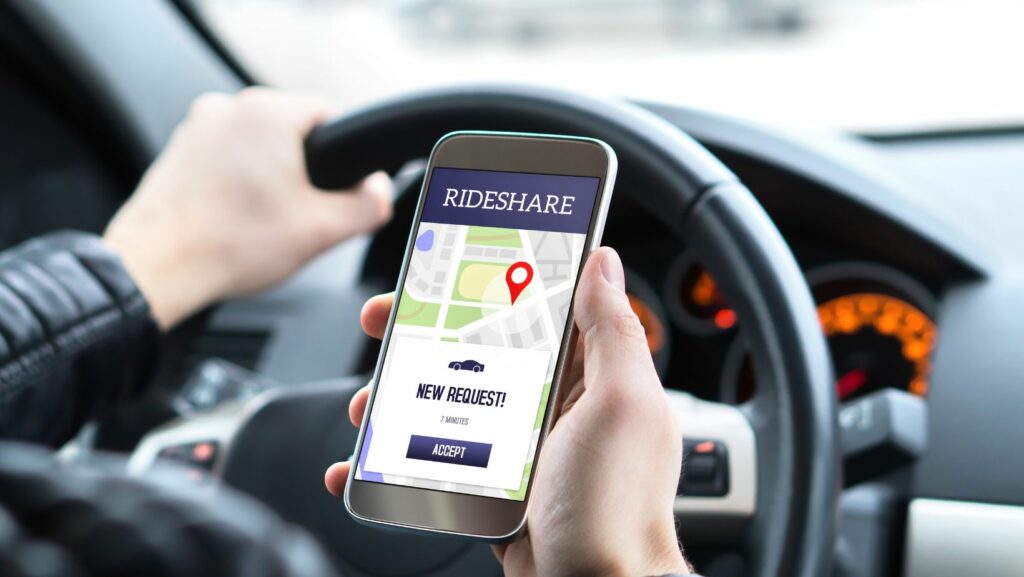
In a world where hailing a ride can feel as easy as ordering a pizza, ride-sharing companies have transformed how people get from point A to point B. Gone are the days of standing on street corners, waving frantically at passing taxis. Now, with just a few taps on a smartphone, anyone can summon a ride faster than you can say “Are we there yet?”
Top Ride Sharing Companies in the World
The ride-sharing industry has experienced substantial growth over the past decade, reshaping urban transportation. This sector facilitates personal mobility by connecting passengers with drivers through digital platforms. Companies in this space enable riders to request transportation via mobile applications, significantly enhancing convenience over traditional taxi services.
Market analysis reveals that over 50 million Americans used ride-sharing services in 2020. In addition, the global market size of ride-sharing reached approximately $61.3 billion in 2021 and is expected to grow at a compound annual growth rate of 18.6% from 2022 to 2030. This growth illustrates the increasing acceptance of ridesharing as a primary mode of transportation.
Consumer preferences drive much of this trend. Riders appreciate flexible pricing, available options for shared rides, and the ease of payment through various platforms. As such, company apps streamline the payment process, making cashless transactions the norm.
Competition remains fierce among major players, including Uber and Lyft, which dominate various markets. These companies strive to offer unique features like ride safety measures and in-app navigation for a better user experience. Areas such as food delivery have also become part of their service portfolios, further integrating their businesses into daily life.
Regulatory challenges persist as municipalities adapt to the rise of ride-sharing. The need for safety regulations, insurance protocols, and licensing requirements remains critical. Each city’s laws influences how ride-sharing operates, which can lead to disparities in service availability and driver regulations.
Innovation in technology continues to propel the industry forward. Developments in autonomous vehicles and shared mobility services threaten to reshape ride-sharing’s future, presenting new opportunities and challenges.
Top Ride Sharing Companies in the World
Ride-sharing companies play a pivotal role in modern transportation. These companies connect passengers with drivers, offering convenience and flexibility.
Uber
Uber leads the ride-sharing market globally. With operations in over 900 metropolitan areas worldwide, it serves millions of riders daily. The platform offers various services, including UberX for budget rides and UberXL for larger groups. In 2020, Uber recorded over 1.1 billion rides, showcasing its widespread popularity. The company’s focus on technological advancements and user safety enhances its competitive edge.
Lyft
Lyft primarily dominates the North American market. It operates in more than 644 cities across the United States and Canada. Riders appreciate Lyft’s commitment to accessibility, including services like Lyft Line for shared rides. In 2020, Lyft’s revenue reached approximately $2.4 billion, emphasizing its growth trajectory. Partnerships with public transportation systems further integrate Lyft into urban mobility solutions.
Didi Chuxing
Didi Chuxing ranks as the leading ride-sharing service in China. It offers a variety of transportation options, from private cars to taxis, in over 400 cities. In 2021, Didi reported handling over 550 million annual active users. The company’s data-driven approach allows for enhanced operational efficiency. Additionally, Didi’s international expansion includes ventures into countries like Brazil and Mexico.
Ola
Ola stands as a prominent ride-sharing platform in India. Serving more than 250 cities, it provides services ranging from everyday rides to luxury vehicles. In 2021, Ola reported over 150 million registered users. The company prioritizes user experience through features like Ola Play for in-car entertainment. Furthermore, Ola’s expansion into electric vehicle rides aligns with global sustainability goals.
Regional Ride Sharing Companies
Several regional ride-sharing companies play significant roles in their respective markets. These platforms cater to local demands and adapt services accordingly.
Grab
Grab dominates Southeast Asia with its multi-service platform. Operating in countries like Malaysia, Singapore, and Indonesia, Grab offers ride-hailing, food delivery, and mobile payments. As of 2022, it has around 40 million downloads and boasts over 2 million drivers. Consumer preferences for convenience make Grab a preferred choice for many. Its focus on safety and user experience enhances its appeal further. Overall, Grab positions itself as a leader through innovation and reliable services tailored to regional needs.
Free Now
Free Now serves as a major player in Europe, primarily in Germany and the UK. This company operates in 10 countries and more than 100 cities, providing a combination of ride-hailing and taxi services. Local partnerships enhance its service, enabling customers to access licensed taxis easily. Over 15 million users rely on Free Now for quick transportation options. A commitment to sustainability drives the introduction of eco-friendly vehicles within its fleet. With ongoing expansions, Free Now emphasizes market adaptability and customer satisfaction.
Future Trends in Ride Sharing
Technological advancements will significantly shape the future of ride sharing. Autonomous vehicles are set to play a crucial role, potentially reducing transportation costs while improving safety. Major companies are investing in AI and machine learning, enhancing routing algorithms and minimizing wait times.
Sustainability is becoming increasingly essential. Electric vehicles are emerging as a priority, with many companies committing to eco-friendly fleets in response to consumer demand for greener transportation options. Ride-sharing platforms will likely incentivize the use of electric cars through reduced fees or bonuses for drivers.
User experience is another focal point. Enhanced app features, such as real-time tracking and in-app payment options, simplify the ride process. Furthermore, shared ride services will gain traction as people seek cost-effective travel solutions while reducing congestion and emissions in urban areas.
Market expansion continues as ride-sharing companies explore new regions. The growth of service offerings beyond traditional ride sharing, such as food delivery and package transportation, leads to diversified revenue streams for players like Uber and Lyft. Partnerships with local governments ensure smoother integration into urban mobility plans.
Competition will prompt major players to innovate. Companies that prioritize customer feedback can enhance their services and retain users. Moreover, data analytics will provide insights into consumer behavior, helping companies tailor their offerings to individual preferences.
Regulatory landscapes will evolve alongside industry growth. Compliance with safety standards and such requirements becomes essential for maintaining consumer trust. Adaptability to these changes will determine the longevity of various ride-sharing companies in an increasingly connected world.
Conclusion
The ride-sharing industry continues to shape the future of transportation with its innovative approaches and technology-driven solutions. As major players like Uber and Lyft compete for market share, regional companies also carve out their niches, adapting to local needs and preferences.
With a focus on sustainability and user experience, these companies are not just transforming how people travel but also addressing broader environmental concerns. The rise of autonomous vehicles and enhanced app features promise to further revolutionize the industry.
As the market grows, staying informed about these developments will be crucial for consumers seeking efficient and eco-friendly travel options. The future of ride-sharing looks bright as it evolves to meet the demands of a connected world.