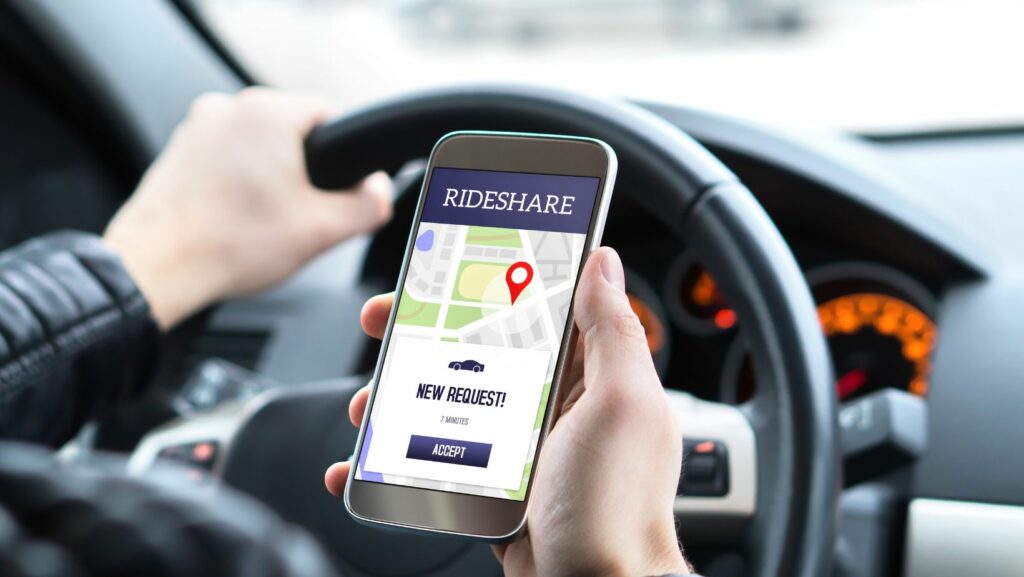
Picture this: It’s midnight, your phone buzzes, and you’re debating whether to accept one last ride. The city glows outside your windshield, and you wonder if this gig is really worth it. If you’ve ever thought about ride-sharing jobs, you’re not alone. Millions have jumped in, hoping for quick cash, flexible hours, or just a change from the usual grind. But what’s it really like? Let’s break it down.
What Are Ride-Sharing Jobs?
Ride-sharing jobs connect drivers with passengers through apps like Uber, Lyft, and Bolt. You use your own car, set your own hours, and get paid for each trip. Sounds simple, right? But there’s more under the hood. Ride-sharing jobs have exploded in popularity, with over 3.5 million drivers in the U.S. alone as of 2024. The promise: work when you want, earn as much as you need. The reality? It depends on where you live, when you drive, and how you play the game.
Who Should Consider Ride-Sharing Jobs?
If you crave flexibility, ride-sharing jobs might fit. Students, parents, retirees, and anyone between jobs often find the freedom appealing. But here’s the part nobody tells you: it’s not for everyone. If you hate small talk, dislike driving, or stress easily in traffic, you might struggle. On the flip side, if you enjoy meeting new people, know your city’s shortcuts, and don’t mind the occasional late-night run, you could thrive.
How Much Can You Really Make?
Let’s get specific. Most ride-sharing jobs pay between $15 and $25 per hour before expenses. But that’s just the headline. After gas, maintenance, insurance, and taxes, your take-home pay can drop to $10-$18 per hour. Some drivers in busy cities pull in $1,000 a week, while others barely cover costs. The secret? Timing and location. Driving during rush hour, weekends, or big events can double your earnings. But slow days happen, and you’ll need to budget for them.
Expenses to Watch Out For
- Gas: Expect to fill up more often. Some drivers spend $100+ a week.
- Maintenance: Oil changes, brakes, and tires wear out fast. Budget at least $50 a month.
- Insurance: Some companies require extra coverage. Check your policy.
- Taxes: You’re an independent contractor. Set aside 20-30% for taxes.
Here’s why this matters: Many new drivers forget about these costs and end up surprised at tax time. Don’t be that person. Track every mile and receipt.
How to Get Started with Ride-Sharing Jobs
Signing up is usually quick. You’ll need a valid driver’s license, a clean record, and a car that meets the company’s standards (usually less than 10 years old, four doors, and in good shape). The app will run a background check and inspect your car. Once approved, you can start driving within days.
Tips for a Smooth Start
- Clean your car inside and out. First impressions matter.
- Download the app and learn its features before your first ride.
- Keep snacks and water handy for long shifts.
- Use a phone mount and charger—your phone is your lifeline.
- Plan your driving times around busy hours for better pay.
If you’re nervous, start with short trips during the day. You’ll build confidence fast.
What’s It Really Like? Stories from the Road
Every ride-sharing job comes with stories. One driver picked up a couple headed to the hospital for their first child. Another spent an hour listening to a passenger’s breakup story. Some nights are quiet, others wild. You’ll meet people from every walk of life—tourists, business travelers, partygoers, and regulars who treat you like a friend. The best drivers learn to read the room: chatty when needed, silent when not.
Mistakes happen. Maybe you miss a turn or spill coffee on your seat. Don’t sweat it. Most passengers are forgiving if you’re polite and honest. The real lesson? Every shift teaches you something new—about people, patience, and your own limits.
Pros and Cons of Ride-Sharing Jobs
Pros
- Set your own schedule—work as much or as little as you want
- Quick payouts—some apps offer instant cash-out
- Meet new people and explore your city
- No boss looking over your shoulder
Cons
- Unpredictable income—some days are slow
- Wear and tear on your car
- No benefits like health insurance or paid time off
- Dealing with difficult passengers or traffic
If you value stability and benefits, ride-sharing jobs might not be your best bet. But if you want freedom and variety, it’s hard to beat.
How to Stand Out and Earn More
Here’s the part nobody tells you: The best drivers treat ride-sharing jobs like a business. They track expenses, learn the busiest spots, and keep their ratings high. Some even offer extras—phone chargers, bottled water, or a killer playlist. Small touches can mean bigger tips and better reviews.
Watch for promotions and bonuses. Many apps offer extra cash for completing a set number of rides or driving during peak hours. Stack these with your regular earnings for a nice boost.
Is a Ride-Sharing Job Right for You?
If you’re looking for a side hustle, need flexible hours, or just want to try something new, ride-sharing jobs can be a good fit. But go in with your eyes open. Track your expenses, set realistic goals, and don’t expect every night to be a jackpot. If you’re someone who likes routine, guaranteed pay, or hates surprises, you might want to look elsewhere.
Still curious? Try it for a week. You’ll know fast if it’s for you. And if you ever find yourself at midnight, debating one last ride, remember: every trip is a new story waiting to happen.