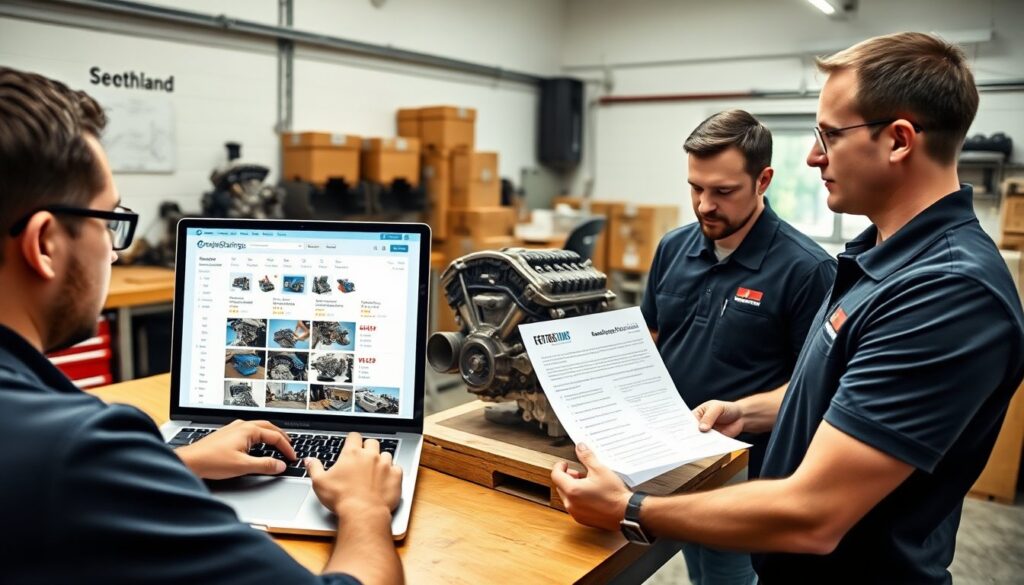
EngineSharings.com connects buyers and sellers of used car engines. The site lists engines by make, model, and condition. It shows price, location, and seller contact. The site targets mechanics, hobbyists, and small shops. This review explains what the site does, which services it offers, and how buyers can judge trust and risks.
Key Takeaways
- EngineSharings.com connects buyers and sellers of used car engines by make, model, and condition, targeting mechanics, hobbyists, and small auto shops.
- The platform offers features like VIN-based fitment checks, warranty listings, shipping quotes, and a messaging tool, enhancing the buying experience.
- Sellers pay small listing fees with optional promotion and subscription plans available for high-volume sellers, while the site takes no sales commission.
- Payment protection is available to hold funds until engine conditions meet descriptions, reducing disputes for buyers on EngineSharings.com.
- Buyers should verify fitment, inspect photos carefully, confirm engine codes, compare multiple listings, and consider freight and return policies before purchase.
- EngineSharings.com provides educational content and seller ratings to help buyers make informed decisions and navigate legal considerations safely.
What EngineSharings.com Does And Who It’s For
EngineSharings.com lists used and remanufactured engines. It groups listings by vehicle make, model year, and engine code. The site displays photos, mileage, and basic condition notes. The platform lets sellers add warranty length and shipping options. Buyers search by fitment and price. They filter by location to reduce freight cost.
The service targets three main user groups. First, independent mechanics who need a replacement engine quickly. Second, car hobbyists who want a specific core for a rebuild. Third, small auto shops that prefer to compare prices before they buy. The site suits users who want a screened list rather than hunting multiple classifieds.
EngineSharings.com provides a search dashboard. The dashboard highlights recent listings and price trends. It also shows saved searches and seller ratings. The feature set helps buyers find parts faster. The site keeps listings simple to read and compare.
Core Features, Services Offered, And Pricing Model
EngineSharings.com offers core features for buyers and sellers. It supports photo uploads, VIN-based fitment checks, and basic inspection checklists. The platform includes a messaging tool for questions. It offers shipping quotes and local pickup options. It also lists warranty terms when sellers provide them.
The site charges listing fees and optional promotion fees. Basic listings cost a small flat fee. Sellers can pay extra to highlight a listing or to appear in search results. The platform takes no commission on sale price for standard listings. The site offers subscription plans for high-volume sellers. Those plans include bulk uploads and advanced analytics.
EngineSharings.com partners with third-party haulers. The site shows freight costs when sellers enter weight and dimensions. The platform also integrates payment protection for some listings. The payment protection holds buyer funds until the engine matches the described condition. This feature adds cost. Sellers choose whether to enable the protection.
The site also provides educational content. It posts articles on engine codes, common failure signs, and basic inspection steps. The content aims to help buyers make a faster decision. The site publishes sample inspection checklists for buyers to download.
Trustworthiness, Reviews, And Legal Considerations
EngineSharings.com shows seller ratings and feedback. Buyers can read past buyer notes. The platform flags sellers with repeated disputes. The site also verifies contact information for higher-tier sellers.
Independent reviews show mixed results. Some buyers report accurate listings and smooth shipping. Other buyers report mismatches between description and engine condition. The payment protection reduced disputes for many buyers. The site does not guarantee every listing. Buyers must still verify fit and condition.
EngineSharings.com includes a basic return policy for eligible listings. Sellers set return windows and restocking terms. Buyers should read those terms before paying. The platform recommends VIN confirmation and core compatibility checks. The site also lists local salvage rules in its help center.
Legal risks vary by jurisdiction. Some regions require specific salvage paperwork for engines. Buyers should confirm title and documentation needs. The platform does not replace local compliance steps. Buyers who import engines should check customs duties and emissions rules. The site links to external resources for those topics.
Tips For Using EngineSharings.com Safely And Getting The Best Value
Buyers should inspect photos and ask for extra images. Buyers should request a compression test result when possible. Buyers should confirm engine codes and sensor compatibility with their vehicle. Buyers should use the platform messaging tool to get written seller statements.
Buyers should compare at least three listings before they buy. They should estimate freight and factor it into the total cost. Buyers should prefer sellers who show detailed photos and who offer short return windows. Buyers should use the site’s payment protection when available.
Shops should consider subscription plans if they buy often. A plan lowers listing and processing friction for frequent users. Sellers should list clear condition notes and include a short video when they can. Sellers who ship should pack to industry standards and insure the freight.
Buyers should keep records of all messages and receipts. Those records help if a claim is necessary. Buyers should inspect the engine on arrival before they install it. If the engine shows mismatch or damage, buyers should notify the seller and the platform immediately.