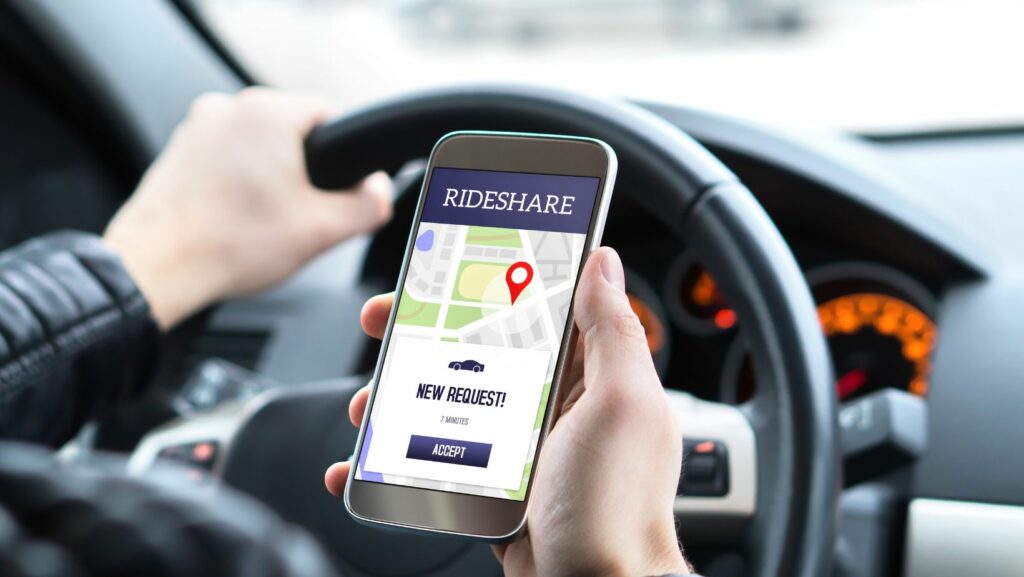
enginesharing.com transforming how people use cars in 2026. The platform lets owners list vehicles. Renters book vehicles for short or long trips. The site matches supply and demand in cities and suburbs. This guide explains what the service does, how it works, and how people earn or save money. It shows practical steps owners and renters can take in the first month. The text uses clear instructions and real examples. Readers will learn simple actions that produce measurable results.
Key Takeaways
- EngineSharing.com transforms car usage by connecting owners with renters, increasing vehicle utilization and reducing parking demand in cities and suburbs.
- Owners can earn money from idle vehicles by listing them with competitive rates, clear rules, and maintaining good vehicle condition to attract bookings and positive reviews.
- Renters benefit from flexible, cost-effective access to vehicles without ownership burdens, supported by in-app booking, verification, and roadside assistance options.
- The platform handles booking, payments, and insurance options, offering owners 70–80% of rental income while ensuring safety through identity checks and compliance guidance.
- New users should create clear listings, respond promptly, and adjust pricing based on demand during their first 30 days to maximize earnings and positive experiences.
- Understanding fees, maintenance costs, and local regulations helps owners and renters avoid surprises and make the most of EngineSharing.com’s services.
What EngineSharing.com Does And Why It Matters Today
EngineSharing.com connects private vehicle owners with local renters. The platform lists cars, schedules bookings, and processes payments. It targets people who want income from idle vehicles and drivers who want flexible access without ownership costs. The service reduces parking demand and increases vehicle utilization. Cities see fewer parked cars and more available rides. Owners earn money on days they do not drive. Renters avoid monthly loan, insurance, and depreciation expenses. Local economies gain short-term mobility options for visitors and gig workers. Many users report lower overall transportation costs after they join the platform.
How The Platform Works: Listing, Booking, And Payouts
Owners create listings with photos, descriptions, and availability. They set nightly or hourly rates and add rules for fuel and mileage. EngineSharing.com displays verified listings to renters based on location and filters. Renters request bookings and complete in-app identity checks. The platform holds payment and releases funds after the rental ends. It charges a service fee on each transaction. Payouts reach owners via direct deposit or payment services within a set window. The site offers a calendar tool, messaging, and automated reminders. This flow reduces friction and keeps records for taxes and reporting.
Owner Experience: How To Maximize Earnings And Minimize Risk
Owners price competitively using the platform’s suggested rates. They keep vehicles clean and perform basic maintenance before listings. Owners require renters to verify identity and driving history through the platform. They add clear rules for fuel, pets, and smoking. Owners document vehicle condition with time-stamped photos for each booking. They opt for the platform’s insurance add-on when available. Owners set minimum rental periods to avoid frequent turnovers. They use dynamic availability to favor high-demand days. These steps increase positive reviews and booking volume while lowering dispute risk.
Renter Experience: Finding, Booking, And Using A Shared Vehicle
Renters search by location, date, and vehicle type. They compare total prices, fees, and owner rules before booking. Renters complete verification and provide a valid driver’s license. They inspect the vehicle at pick-up and note any damage in the app. Renters follow owner instructions on fuel and return times. The platform provides roadside assistance options for an extra fee. Renters receive digital keys or meet the owner for key handoff depending on listing. They leave reviews after rentals. Good renters keep vehicles clean and return them on time to build strong reputations.
Pricing, Fees, And Revenue Potential — A Realistic Breakdown
EngineSharing.com shows base rates plus service fees. Owners usually keep 70–80% of the gross rental amount after fees, depending on promotions and insurance choices. Typical hourly and nightly rates vary by city, vehicle age, and demand. An owner who lists a mid-size sedan in a busy city can earn several hundred dollars per month with part-time availability. High-demand days yield the biggest returns. Owners should subtract maintenance, cleaning, and occasional repairs from net revenue. The platform offers earnings estimates in the listing flow so owners can set realistic price goals.
Safety, Insurance, And Regulatory Compliance On EngineSharing.com
EngineSharing.com offers liability coverage options that start when a booking begins. The platform verifies renter identity and driving records in many markets. It provides a claims process for accidents and damages with defined holdbacks and inspection steps. Owners must keep registration and servicing records up to date. Local regulations may require business licenses or short-term rental permits in some jurisdictions. The platform posts compliance guidance for major cities. Owners and renters should read policy documents and confirm coverage limits before each booking to avoid surprises.
Getting Started: Practical Tips For Your First 30 Days On The Platform
Owners create a clear listing and set competitive rates for the first month. They schedule availability around known free days. Owners complete verification and upload current photos and documents. They respond to booking requests quickly to build early reviews. Owners perform a basic inspection and document the vehicle before each rental. They test pricing after two weeks and adjust rates for demand. Owners reserve a small fund for cleaning and minor repairs. Renters book nearby first to reduce logistics. Both parties use the platform messaging to confirm pickup details and expectations.