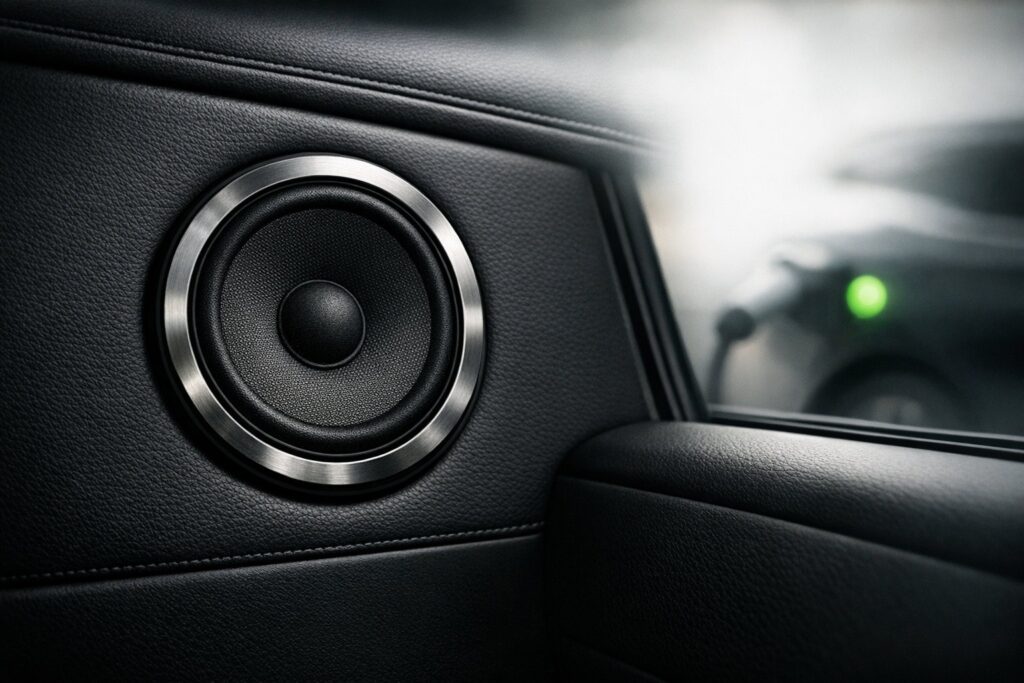
The arrival of electric vehicles has brought a dramatic reduction in cabin noise, transforming how drivers and passengers experience music on the road. Quiet interiors reveal new details in premium audio systems and reshape expectations for in-car listening. As electric cars become more common, understanding the relationship between vehicle quietness and high-quality audio matters more than ever.
Electric vehicles stand out due to their lack of engine and transmission noise, offering a quieter interior compared to traditional cars. This shift creates a new listening environment with implications for audio enjoyment, system design, and personal comfort. Pioneer speakers provide clear sound in these cabins, enhancing the in-car audio experience while raising unique challenges and opportunities for delivering premium audio in electric vehicles. At the heart of this evolution is the interplay between acoustic engineering and the unique qualities of EV cabin design. Pioneer Audio, originally founded in 1930 to build dynamic speakers, is now a major developer of car audio equipment. Their automotive systems focus on reliable sound quality and user-friendly features such as touchscreen navigation and seamless device connectivity.
Redefining quiet: changes in the acoustic landscape
Electric vehicles reduce or even eliminate the traditional low-frequency rumble generated by combustion engines, drastically altering the sound environment inside the cabin. Without engine vibrations and transmission whine, the background sound level drops, offering a sense of peacefulness that many drivers quickly notice.
This newfound quiet shifts attention to sounds that once went unnoticed, such as tire noise, wind passing over mirrors, and the HVAC system. In turn, cabin materials and even small design changes take on greater acoustic importance, as these remaining noises become more prominent in the absence of engine masking.
Opportunities and new challenges for audio quality
With less ambient rumble, premium in-car audio systems can reveal more music detail, subtle dynamics, and spatial cues at lower volumes. Listeners often experience improved instrument separation and imaging, thanks to the minimal masking of quieter sounds by engine or drivetrain noise.
However, this clarity comes with challenges. As underlying cabin noise decreases, flaws like plastic panel vibrations and minor rattles become much more apparent, sometimes intruding on the audio experience. In this context, audio system designers must collaborate with engineers to ensure secure mounting, tight tolerances, and robust materials to combat unwanted noise.
Impact of vehicle and interior engineering on acoustics
Batteries in electric cars are often placed low and centrally, changing the stiffness and resonance characteristics of the chassis compared to conventional vehicles. This can introduce new vibrational modes or amplify certain frequencies inside the cabin, requiring careful analysis and targeted insulation.
Larger glass surfaces and changes in seat cushioning also influence how sound waves propagate and reflect, shaping both the enjoyment and clarity of music. Choices in sound deadening materials, while beneficial for audio, must balance acoustic performance with vehicle efficiency and weight considerations.
The evolving role of digital processing and personalization
Modern vehicles increasingly rely on software-driven equalization, dynamic volume adjustments, and cabin noise compensation to optimize audio performance in real time. For instance, digital systems can adapt the tone and loudness of music based on speed, driver preference, and the unique fingerprint of every car interior. Pioneer speakers enable a consistently high-quality output in this environment.
Premium in-car audio systems now frequently offer individualized sound profiles, allowing passengers in different seats to receive tailored listening experiences. As the expectations for in-cabin entertainment rise, digital processing is expected to remain central to balancing clarity, comfort, and system adaptability.
What quiet cabins signal for future listening standards
The reduction in background noise redefines what you perceive as a premium in-car audio experience, with implications for personal entertainment, commuting, and shared mobility. As users become accustomed to these quieter environments, audio engineers will continue to refine both hardware and software approaches to maintain high-quality sound without distraction.
Ultimately, the convergence of electric vehicle design and advanced audio technologies sets a new benchmark for comfort and realism on the move. On Monday, April 13, 2026, cabin silence is both a technical achievement and a new challenge that pushes the boundaries of what is possible in-car entertainment.