You might wonder why Toronto vehicles look so pristine despite our brutal driving conditions. My experience as a Toronto PPF installer shows how Paint Protection Film (PPF) defends cars from road debris and environmental threats. This transparent polyurethane layer, also called a clear bra, works like armor to protect your vehicle’s finish.
Car owners choose PPF more than ever, and with good reason too. Imagine your car’s paint staying fresh for ten years. This protective film does just that, saving its showroom shine.
Quality PPF heals itself when the top layer gets scratched. The protection helps vehicles retain their value better than unprotected ones, selling for up to 20% more.
PPF coating creates a transparent polyurethane shield that blocks 99% of harmful UV rays. Acidic messes, like bird droppings, can’t harm your finish. This film also soaks up bumps that would typically chip your paint.
Here, we’ll explain the big perks and why putting on PPF is crucial for Toronto drivers who want to guard their car’s shine and keep its price high.
Need a professional Toronto PPF installer? We’ll lay out all the details, making it simple for you to land on the best pick.
Why Toronto Drivers Need Extra Paint Protection
Toronto roads can wreck your vehicle. Sun, grit, and the stuff from road crews really team up to beat up your car’s paint job. Cars look years older than they should because their exterior lacks proper protection.
Frequent Exposure To Road Salt And Gravel
Your car’s finish faces a corrosive cocktail on Toronto’s winter streets. The city has used road salt as its main de-icing agent since 2001 because it works well from 0°C down to about -10°C. This salt creates a chemical reaction with melting snow that actively degrades metal and speeds up rust formation.
Salt doesn’t just attack metal parts. It mixes with moisture to form a corrosive brine that eats away your car’s paint and clear coat. This mixture sticks to your vehicle’s underbody after winter drives and leaves behind calcium or sodium chloride that keeps damaging your car.
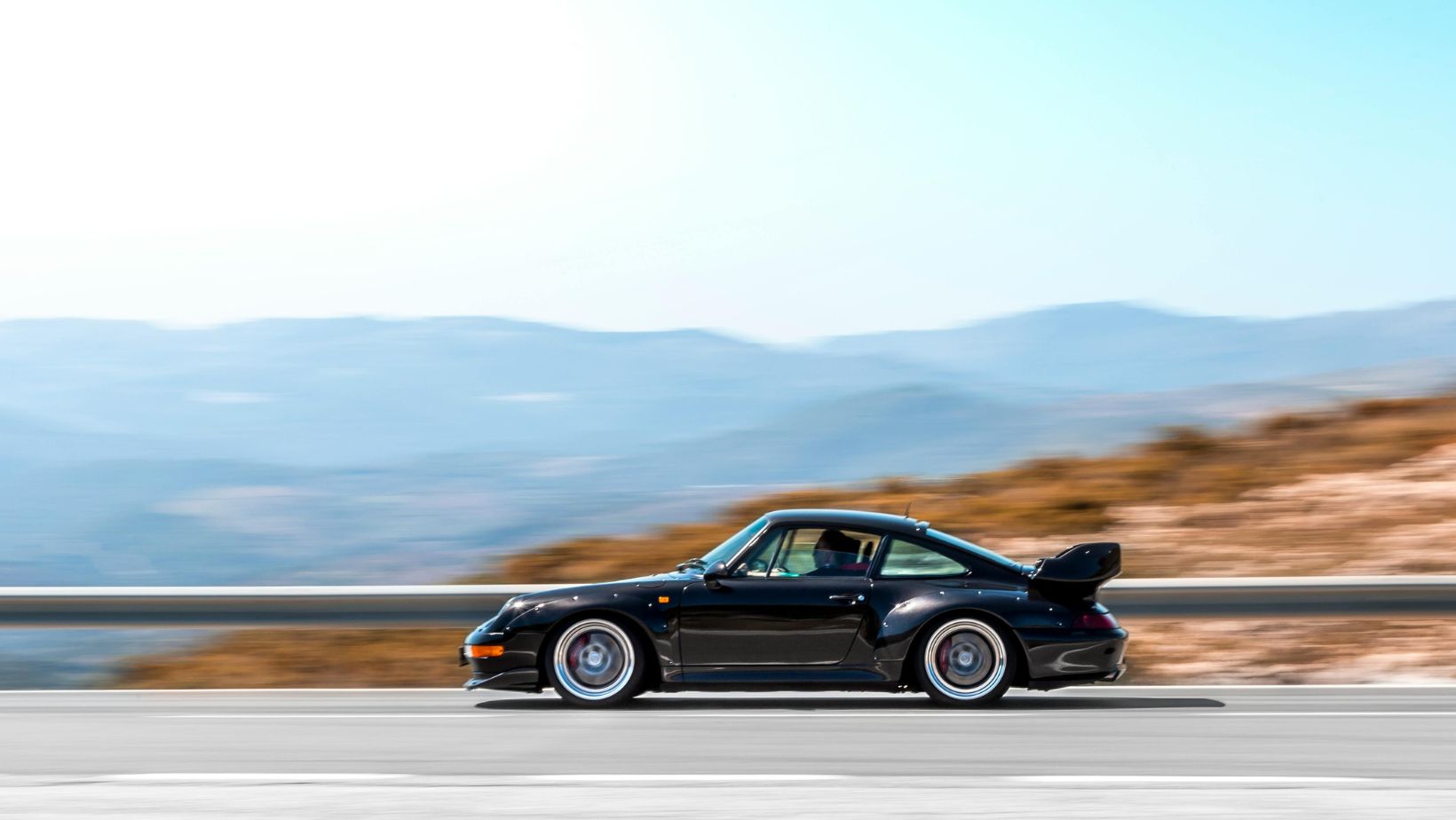
Small stones and gravel cover Toronto’s winter roads and get thrown up by other vehicles’ wheels. Tiny bits of grit act like sandpaper, scraping your paint and leaving chips that pierce your vehicle’s protective finish.
Urban Driving Risks: Parking Dings And Scratches
City driving creates its own challenges. Tight parking spots, underground garages, and crowded lots mean your car faces a higher risk of minor dings and scratches. These small damages might look minor at first, but they expose bare metal that can turn into serious rust problems.
Parking lot accidents happen all the time. Canadian insurance rules say you must file a report if the damage costs over USD 2,000. Many drivers still do a “ding and dash” – they damage other cars and leave without sharing their contact details.
A Toronto PPF installer can add PPF to your car. This creates a protective layer that absorbs impacts and keeps your actual paint safe.
Seasonal Extremes And Their Effect On Paint
Toronto’s climate changes drastically throughout the year. Winter temperatures drop below -20°C, while summers hit 35°C with high humidity. Your car’s paint expands and contracts with these changes, which leads to tiny cracks over time.
Summer brings strong UV radiation that breaks down your paint’s top layer. Dark-colored vehicles show this fading and oxidation more clearly. Humid air makes water droplets gather. These droplets then soak into any broken paint, causing rust to form much faster.
Spring and fall can be just as tough. Rain increases, and moisture finds its way into any weak spots in your paint. These seasons bring their own set of problems with changing temperatures and extra rainfall.
Car PPF offers complete protection against these environmental threats. This film gives your car serious protection. It stops harsh UV rays, corrosive road salt, acidic messes, and even small impacts from causing trouble. Toronto drivers really need that kind of defense.
How PPF Works to Protect Your Car
Paint Protection Film stands as an engineering marvel that shields your car’s exterior. This transparent defender does much more than you might expect.
What Is Car PPF And How It’s Made
Car PPF is a thermoplastic urethane film that creates a protective barrier for your vehicle’s paint. What started as a military project to shield helicopter blades is now a crucial item for anyone with a car.
The manufacturing starts with premium TPU (thermoplastic polyurethane) pellets. Manufacturers mix these pellets with special additives that include UV inhibitors, stabilizers, and self-healing agents. The mixture melts at temperatures between 150-200°C and flows through a flat die to create a thin sheet.
The process continues as manufacturers add an adhesive layer to one side and a hydrophobic coating to the other. The final product emerges as a multi-layered film that ranges from 6 to 12 mils (0.15-0.3 mm) thick.
The Science Behind Self-Healing Technology
The magic of self-healing PPF exists in its elastomeric polymer top layer. These polymers work like a tangled web of molecular chains that bounce back to their original shape after stretching or distortion.
Your car’s scratches disappear when heat from sunlight or warm water activates these special polymers. The molecules become flexible at temperatures between 60-80°C (140-176°F) and flow back into place to fill minor scratches. This amazing process takes 30 seconds to 5 minutes and restores up to 90% of the film’s original look.
How PPF Blocks UV Rays And Chemical Damage
The film’s top layers contain UV absorbers that protect your vehicle from harmful ultraviolet radiation. These absorbers filter out up to 99% of UV rays and convert them into harmless heat that dissipates. Your car’s finish keeps its rich color, free from sun-bleaching and rust.
Think of it as a strong shield, blocking nasty acids or industrial cleaners. Your paint stays safe from acidic bird droppings and sticky tree sap. Research reveals that bird droppings can etch paint within hours because of their acidic nature, but PPF stops this damage.
Is PPF Worth the Investment for Your Vehicle?
Thinking smart about car money? You have to weigh the price against what you gain. The original PPF investment might look expensive, but the advantages over time make it worth the cost.
Comparing PPF To Ceramic Coating And Wax
Traditional wax needs constant reapplication, and ceramic coatings can’t stop physical damage. PPF gives you much stronger protection from everyday wear and tear. Ceramic coatings create a water-repelling layer against environmental elements but can’t match PPF when it comes to absorbing rock chips.
Waxes and sealants do not protect from physical damage. Quality PPF gives you complete defense by combining damage resistance with self-healing properties.
Long-Term Savings On Paint Repairs
Numbers tell the real story. PPF cuts paint repair costs by about 80% during your vehicle’s life. A single PPF installation costs around USD 2500 and prevents repainting that could cost thousands. Cars with PPF show 50% fewer paint problems over five years.
Boosting Resale Value With A Protected Finish
Perfect paint helps cars sell for more money. Vehicles protected with PPF can sell for 15-20% more. Your USD 20,000 car could bring in an extra USD 2000-USD 3000. Professional Toronto PPF installer services keep that showroom shine buyers want.
Insurance Benefits And Reduced Claims
Insurance companies sometimes lower premiums for cars with PPF protection. This makes sense because PPF-protected vehicles have fewer paint damage claims. Many insurance providers will cover PPF replacement after accidents if you tell them about the installation.
Getting the Most Out of Your PPF Installation
Your PPF investment needs significant care to last longer. The right maintenance will keep your film looking new for years.
Tips for PPF Coating Care
A quick check every few weeks helps you spot problems early. Your car needs a shaded parking spot to minimize UV damage. Give the film a full two days to settle down before you take your car through the wash. A PPF-safe ceramic coating adds extra protection from environmental damage.
How To Clean And Care For PPF On Car Surfaces
The best approach uses two buckets, one with soap water and another to rinse your mitt. Your car needs pH-neutral or PPF-specific shampoos (pH 6-8). Stay away from automatic car washes that use stiff brushes. Pat dry with microfiber towels instead of circular wiping motions. Bird droppings and tree sap need immediate removal to avoid stains.
Why Professional Installation Matters
A professional Toronto PPF installer brings specialized tools that ensure precise cutting and shaping. Their controlled, dust-free environment makes a difference. You’ll get installation warranties that last 5-10 years. Our pros expertly work with tricky shapes, making sure things stay smooth without any bubbles or pulls.
Signs of Poor PPF Application To Avoid
Bubbles or air pockets show poor application methods. The edges should not lift or misalign; that’s a sign of careless work. Trapped moisture leads to a cloudy appearance. An uneven finish or inconsistent reflections indicate improper installation.
Conclusion
Cars driven in Toronto often get banged up, hurting how they look and what they’re worth. Harsh road salt corrodes paint while gravel continuously chips away at finishes. Cars collect parking lot dings as seasonal weather extremes speed up deterioration. PPF serves as your car’s strongest defense against these relentless threats.
This experience as a Toronto PPF installer has shown the incredible impact of this invisible armor. A good protective film keeps your car looking brand new, even through rough weather. You can rest easy knowing scientific studies back these outcomes. Advanced self-healing technology automatically fixes minor scratches. The film’s UV protection stops fading, while its chemical resistance blocks environmental damage before it starts.
The financial benefits are clear. A single PPF installation is nowhere near as expensive as multiple paint repairs. Your vehicle could be worth 20% more when you sell it. Got a car with solid security? Many insurers will cut you a deal on your premium. Simple math proves the value.
Install it right. That brings true protection. Applying it correctly avoids air pockets and loose edges that weaken the result. The maintenance requirements are simple. Just wash with pH-neutral soap, perform regular checks, and quickly clean off harsh substances like bird droppings.
Toronto’s streets will keep giving cars a rough ride. Rough weather will certainly put your car’s strength to the test. PPF protection keeps your investment secure and your car beautiful, while helping you avoid repairs that can get pricey. PPF isn’t just an option for Toronto drivers – it’s a necessity.