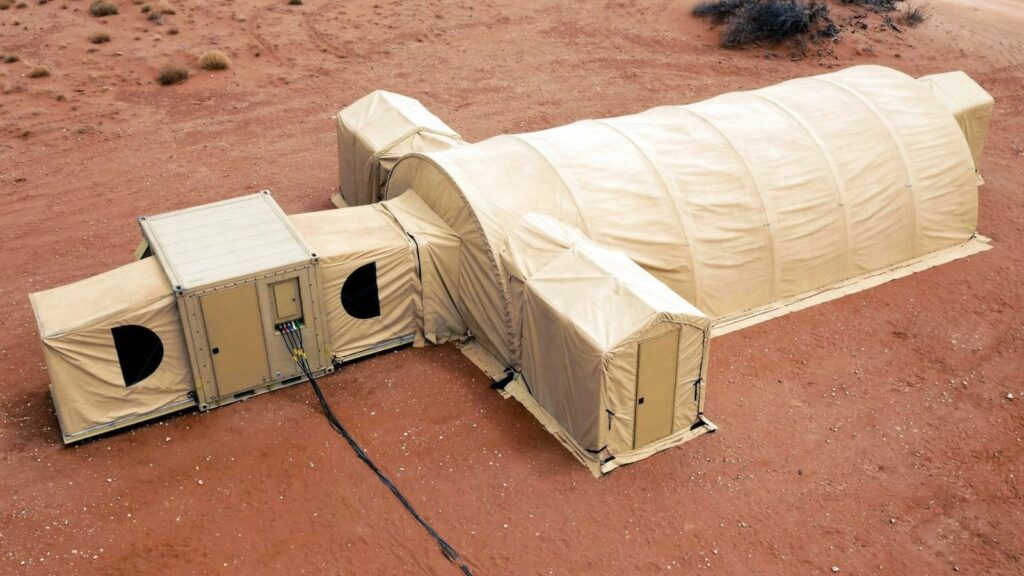
One of the most challenging tasks that an engineer has to design is the structures that are to be used in extreme conditions and the fact that these structures must be portable, durable and can be deployed within a short period. In this regard, rigid wall shelters are valid. It could be the mission of delivering supplies to scientific teams in the Arctic, carrying military personnel in the deserts, or ensuring the safety of people at high altitudes in remote mountain areas; these shelters have to deliver in extreme conditions.
Understanding what goes into the engineering of a rigid wall shelter may help see how much these systems can withstand the unpredictable and sometimes unforgiving landscapes.
Engineered for the Harsh Realities of Arctic Environments
The Arctic is one of the few locations that determines structural endurance. It can drop as low as -50°F, tempests can occur without any prior notice, and snow loads can fall quickly on any open space. To make a rigid wall shelter work in such an environment, engineers have to consider all aspects of the work.
Moreover, the issue of insulation is brought up. Combining a high-density insulation material with a modern thermal barrier is designed to ensure minimal heat loss and a constant temperature within the house. Thermal bridging should be kept to a minimum to retain warmth indoors and keep energy consumption relatively low.
Another crucial issue is wind resistance. Arctic winds are known to be continuous with strong winds and flashes. Engineers strengthen shelters using robust frame systems, heavy-duty wall panels, and high-anchoring systems. The shelter’s geometry can also be a contributing factor, reducing wind drag and eliminating the pressure imbalance that may compromise the structure’s stability.
Computations of snow loads are also necessary. The angles of roofs, beams supporting them and systems of transference of loads should be designed to consider the sheer weight of wet snow and ice. What is obtained is a shelter that can withstand the worst of nature.
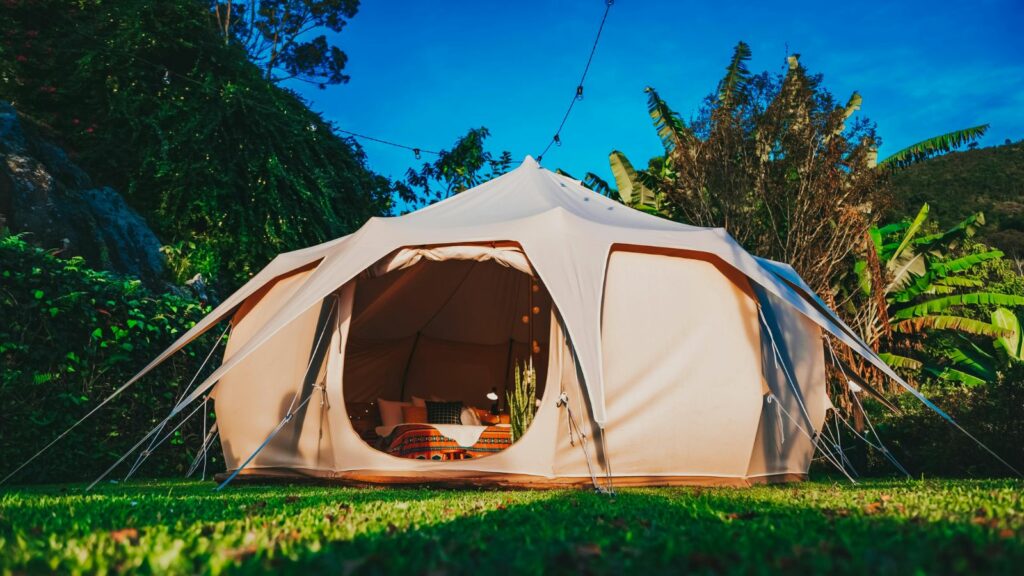
Built to Beat the Heat and Sand of Desert Landscapes
The other side of the climatic spectrum is the difficulty of the world’s deserts. In places where the heat often approaches 120°F and sandstorms can strip paint from metal, a hard-wall shelter should not only withstand the heat but also withstand abrasion. Thermal engineering aims to ensure that interiors remain occupable without relying too heavily on energy-intensive cooling systems. Solar gain control is aided by reflective exterior coating, high-performance insulation and strategic ventilation.
That is not all to heat, however. Sand also has its engineering challenges. Dusty particles can penetrate even the minutest crevices; hence, even rigid wall shelters need to be closed with no openings allowing dust to creep in and contaminate the interiors. This includes high-performance gasket systems, tight, filtered structural joints, and filtered ventilation. Also, there should be materials that are resistant to sand abrasion. Surface finishes and coatings are correctly chosen to make this shelter last long and have minimal maintenance even when it is months and years in the desert.
There are also wide temperature ranges between day and night, which affect desert areas. Structural materials should be able to contract and expand without straining the load-bearing members or causing warping. Engineers consider these cycles to ensure the integrity of the shelters, regardless of how rapidly temperatures vary.
Designed for Elevation, Wind, and Terrain Challenges in Mountain Regions
The mountain environment presents a unique set of challenges. Higher elevations result in significantly different weather conditions, high UV exposure, strong winds, and rough terrain. Strength, stability and flexibility must be compromised to engineer a rigid wall shelter in these environments. The wind pressure increases with altitude, so it exerts a higher load on the wall strength and anchoring systems. The shelters are made with reinforced frames and special fasteners to make them secure even during the most brutal storms.
Furthermore, the intensity of UV radiation increases high in the air and materials should be able to resist the exposure of the sun over a long duration without deteriorating. The engineers chose UV-resistant coatings and strong, non-brittle materials for the walls, which do not easily fade over time. The terrain is complicated on its own. Mountain locations hardly have level, predictable surfaces. The foundation systems should be able to fit slopes, rocky foundations, and where conventional anchoring is not easily achieved. Shelters can be built on rugged or rocky ground or on unstable bases using adjustable footings or modular foundation blocks.
Changes in temperature in the mountains may be drastic- hot in the day and cold at night. This requires thermal efficiency and tough structural materials. The advantage of rigid wall shelters is their high insulation level, plus intelligent ventilation systems that ensure comfort despite constant environmental changes.
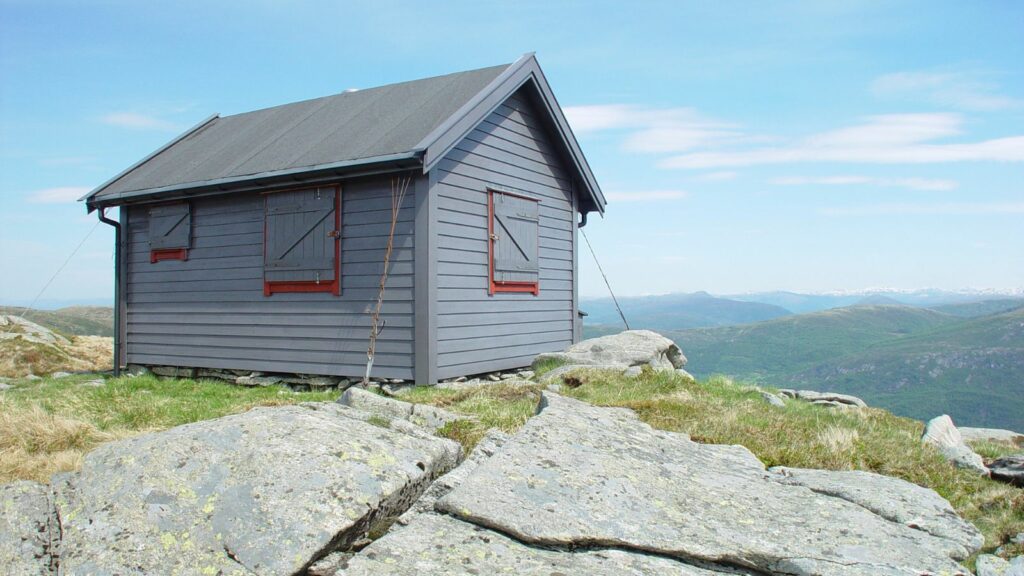
A Unified Engineering Approach for All Climates
The need for reliability links all these environmental engineering issues. Failures are not an option in remote, dangerous, or mission-critical environments. The success of rigid wall shelters is due to their design with careful engineering tailored to the specific climate. Arctic cold, desert heat, and mountain storms: all these environments must provide the same assurance, stability, protection, and reliable performance.