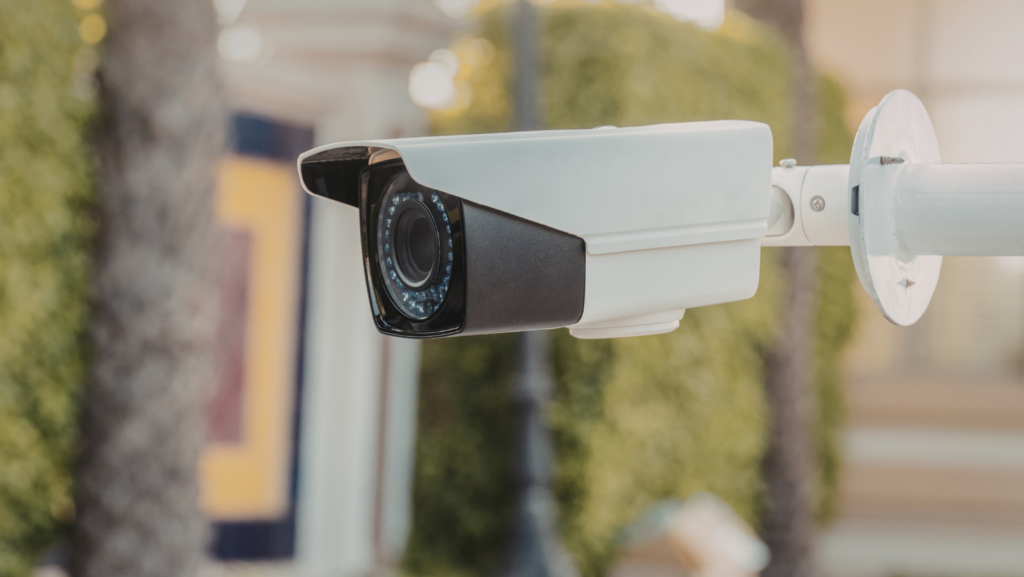
Surveillance cameras are now a routine part of everyday life. From traffic intersections and parking garages to hotels, casinos, and retail stores, video recording systems continuously capture activity in both public and private spaces. As a result, surveillance footage has become one of the most influential forms of evidence in modern personal injury claims. When available, video evidence can dramatically shape how an injury claim is evaluated, disputed, or resolved.
Understanding how surveillance footage is used, its limitations, and its legal implications is essential for anyone involved in a personal injury case, particularly in a high-traffic, camera-heavy city like Las Vegas.
The Growing Presence of Surveillance Cameras
Las Vegas has one of the highest concentrations of surveillance cameras in the country. Casinos, resorts, hotels, entertainment venues, and public roadways rely heavily on video monitoring for security and operational purposes. In addition, rideshare vehicles, delivery trucks, and even private residences frequently use dashcams and doorbell cameras.
This widespread surveillance means that many personal injury incidents—car accidents, slip and falls, assaults, and workplace injuries—are more likely to be captured on video than ever before. As a result, video footage often plays a central role in determining how an accident occurred and who may be responsible.
Common Types of Surveillance Footage Used in Injury Claims
Surveillance footage used in personal injury cases can come from several sources, each offering different perspectives and levels of detail.
Public Surveillance Cameras
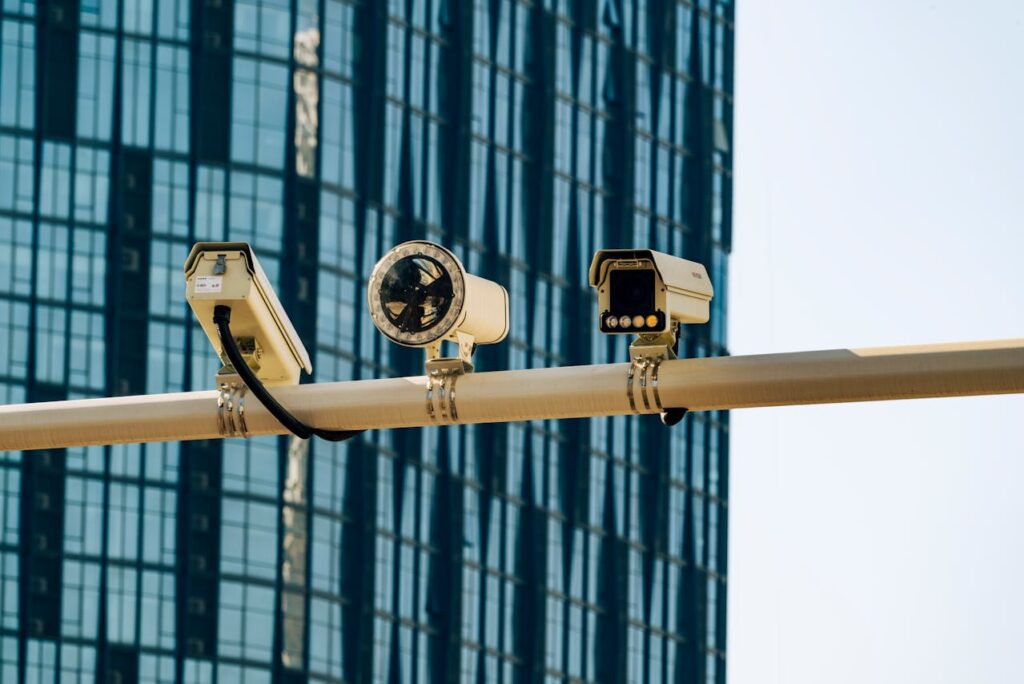
Traffic cameras, pedestrian monitoring systems, and cameras in public transportation hubs often capture vehicle collisions and pedestrian accidents. While these systems may not record audio, they frequently provide valuable information about timing, vehicle movement, and traffic signal status.
Private Property Cameras
Hotels, casinos, apartment complexes, and office buildings typically maintain extensive camera networks. These systems may record entrances, hallways, parking areas, elevators, and common spaces. Slip and fall incidents, security-related injuries, and property-related accidents are often captured by these cameras.
Business and Commercial Footage
Retail stores, warehouses, and workplaces use surveillance to monitor operations and prevent theft. This footage may capture employee injuries, customer accidents, or hazardous conditions that existed prior to an incident.
Vehicle and Personal Cameras
Dashcams, rideshare cameras, and home security systems can provide close-up views of accidents and surrounding events. These recordings are increasingly common and can offer highly detailed evidence.
How Surveillance Footage Helps Establish Liability
One of the most important roles of surveillance footage is clarifying liability. In personal injury claims, disputes often arise over how an accident occurred, who was negligent, and whether safety measures were followed.
Video evidence can show actions leading up to an incident, such as a driver running a red light, a property owner failing to clean a spill, or a pedestrian ignoring warning signs. When witness statements conflict or memories fade, footage may provide an objective record of events.
Because liability directly affects compensation, surveillance footage is often carefully reviewed by insurers and, when disputes arise, by a Las Vegas Personal Injury lawyer assessing the strength of a claim.
The Role of Surveillance Footage in Disproving False Claims
Surveillance footage does not only support injury claims—it can also challenge them. Insurance companies frequently rely on video evidence to identify inconsistencies between reported injuries and observed behavior.
For example, footage may show an individual walking normally immediately after an alleged injury or engaging in physical activities that contradict claimed limitations. While such footage does not automatically invalidate an injury claim, it may raise questions about credibility or the extent of damages.
Because of this dual role, surveillance footage can either strengthen or weaken a case depending on what it reveals.
Challenges and Limitations of Surveillance Footage
Despite its value, surveillance footage is not always definitive. Several limitations can reduce its usefulness in personal injury cases.
Camera angles may be obstructed, footage may be grainy or poorly lit, and key moments may occur outside the camera’s field of view. Some systems record at low frame rates, making it difficult to analyze precise movements or timing.
In addition, footage may lack context. A video might show a fall without revealing whether a hazard existed for an extended period or whether warning signs were present off-camera. As a result, footage often requires interpretation alongside other evidence.
Missing or Overwritten Footage
One of the biggest challenges with surveillance evidence is how quickly it can disappear. Many systems automatically overwrite recordings after a short retention period, sometimes within days or weeks. If footage is not identified and preserved promptly, it may be lost permanently.
This is particularly common with private businesses that manage large volumes of video data. Once overwritten, the footage cannot be recovered, which may limit the available evidence in a claim.
Privacy Concerns and Legal Limits
Surveillance footage must be obtained and used in compliance with privacy laws. While recording in public spaces is generally permitted, private property recordings may be subject to restrictions depending on location and purpose.
Nevada law allows the use of video surveillance in many settings, but admissibility depends on factors such as how the footage was obtained, whether it was altered, and whether it accurately represents the events in question. Footage recorded in areas where individuals have a reasonable expectation of privacy may be excluded.
Courts also consider whether footage has been edited or selectively presented. Authenticity and chain of custody are important factors when determining whether video evidence can be relied upon.
The Importance of Securing Footage Quickly
Because surveillance footage can be overwritten or deleted, timing is critical. Identifying potential camera sources early allows footage to be preserved before it is lost. Preservation requests and documentation often play a role in ensuring that video evidence remains available.
Delays in recognizing the existence of footage can significantly weaken a claim, particularly when video evidence might otherwise clarify liability or confirm injury circumstances.
Using Surveillance Footage Alongside Other Evidence
While powerful, surveillance footage rarely stands alone. Video evidence is typically evaluated alongside medical records, police reports, eyewitness statements, and expert analysis.
Medical documentation helps establish the connection between the incident and the injuries shown on video. Witness accounts provide additional context, while expert testimony may interpret footage to explain timing, movement, or safety violations.
Together, these elements form a more complete picture of how an injury occurred and what consequences followed.
How Insurance Companies Use Surveillance Footage
Insurance companies routinely use surveillance footage during claim investigations. Video evidence may influence settlement negotiations, damage calculations, and liability determinations.
Strong footage supporting a claim may lead to faster resolution, while ambiguous or contradictory footage may result in prolonged disputes. Insurers often analyze footage frame by frame to assess injury severity and fault allocation.
The Impact of Surveillance Footage on Claim Outcomes
When clear and relevant, surveillance footage can significantly affect the outcome of a personal injury claim. It may reduce uncertainty, resolve disputes over fault, and influence compensation values.
However, footage can also complicate claims if it raises questions about injury severity or contradicts reported events. Understanding both the benefits and risks of video evidence is essential in modern personal injury cases.
Conclusion
Surveillance footage has become one of the most influential forms of evidence in personal injury claims. In a city like Las Vegas, where cameras are nearly everywhere, video recordings often shape how accidents are investigated and evaluated. While surveillance footage can clarify liability and strengthen claims, it also presents challenges related to privacy, interpretation, and availability. Recognizing how this evidence is used—and its limitations—provides valuable insight into how personal injury claims are assessed in today’s highly monitored environment.