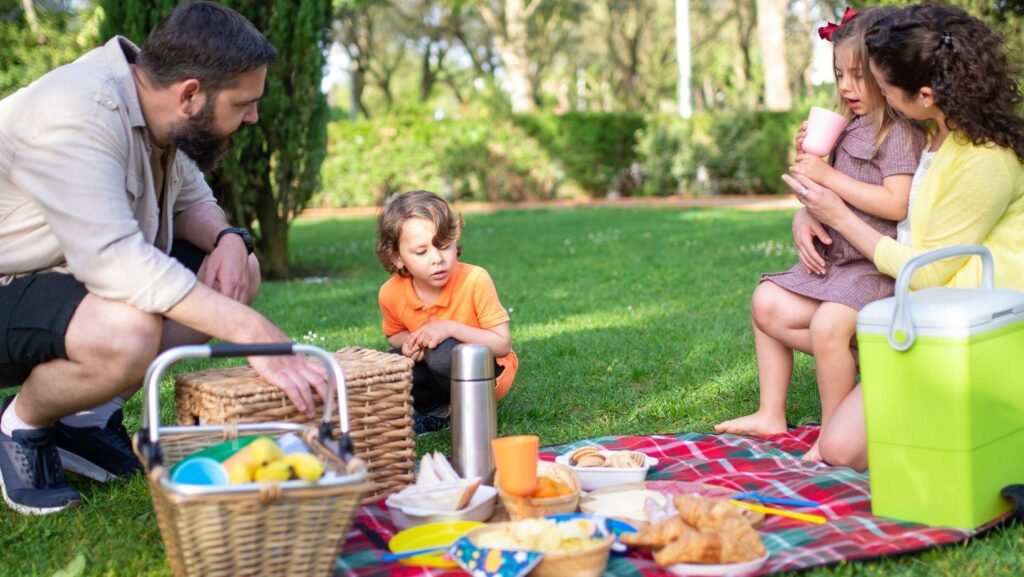
There is something oddly frustrating about trying to leave the house with young kids. What used to feel simple, like grabbing coffee, going to the park, or running a quick errand, can suddenly turn into a full operation involving snacks, spare clothes, toys, timing, and a lot of patience.
Most parents know the feeling. You are halfway out the door when someone suddenly needs the toilet, cannot find their shoes, or has a meltdown over the wrong snack. Even short outings can feel draining before they have properly begun.
Part of the challenge is that small things tend to pile up. A forgotten nappy bag, awkward gear, or a poorly fitted baby car seat can quickly add stress to a situation that already feels rushed. The good news is that family outings do not have to feel so overwhelming. A few small adjustments can make a noticeable difference.
Stop Treating Every Outing Like a Big Event
One of the easiest traps to fall into is overpreparing.
Many parents pack for every possible scenario, which sounds sensible in theory but often creates more work than necessary. Lugging around oversized bags, too many toys, or backup plans for every outcome can make leaving the house feel exhausting before you even leave the driveway.
Instead, try simplifying your approach:
- Pack only the essentials
- Keep a small emergency kit permanently in the car
- Rotate a few favourite toys instead of bringing everything
- Accept that not every situation needs a perfect solution
Often, less really is more.
Build a “Ready to Go” Routine
Children thrive on routine, and adults benefit from it too.
One reason outings feel chaotic is because parents are making the same decisions repeatedly. Where are the wipes? Has everyone eaten? Did someone refill the water bottle?
Creating a repeatable system can remove a surprising amount of mental load.
For example:
The Night Before
- Refill drink bottles
- Restock nappies or wipes
- Set out clothes
- Check weather conditions
Before Leaving
- Quick toilet trip
- Snacks packed
- Shoes on
- One final essentials check
It sounds simple, but reducing last-minute decision-making helps mornings feel far less frantic.
Make Timing Work in Your Favour
Sometimes, the problem is not the outing itself. It is the timing.
Trying to fit activities into that awkward window between naps, meals, or energy crashes often creates unnecessary stress. Young children are generally much easier to manage when they are rested and fed.
This does not mean you have to organise your entire life around schedules, but it helps to think strategically.
Ask yourself:
- Is this the best time of day for everyone?
- Are expectations realistic?
- Can the outing be shorter than originally planned?
Many parents find that lowering expectations actually makes outings feel more enjoyable.
A quick 30-minute trip that goes smoothly is often better than a stressful three-hour mission.
Create Fewer Friction Points
Often, what makes outings exhausting is not one big issue. It is a series of tiny frustrations.
A bag that is hard to carry. Shoes that constantly fall off. Children getting bored while waiting. A complicated process for getting everyone in and out of the car.
When you start identifying these small stress points, you can often solve them surprisingly quickly.
Think about what consistently causes problems and ask:
What would make this easier next time?
Sometimes the answer is as simple as preparing snacks beforehand or keeping a spare change of clothes permanently in the boot.
Other times, it means simplifying how you travel, reducing clutter, or choosing destinations that suit your family’s stage of life.
Lower the Pressure to “Get It Right”
Social media can quietly convince parents that every outing should be meaningful, memorable, and perfectly organised.
In reality, family life is messier than that.
Some trips will go smoothly. Others will involve tears, forgotten items, or abandoning plans entirely. That does not mean you are doing anything wrong.
Children rarely remember whether the day went perfectly. They remember spending time together, feeling safe, and having moments of connection.
Taking pressure off yourself can make outings feel lighter almost immediately.
A successful outing does not need to be flawless. Sometimes success simply means everyone made it home fed, reasonably happy, and without too much chaos.
Over time, the small systems you build start to add up. You learn what works, what does not, and how to make things easier for yourself. And once the stress drops, family outings can start feeling enjoyable again instead of something you mentally prepare yourself to survive.