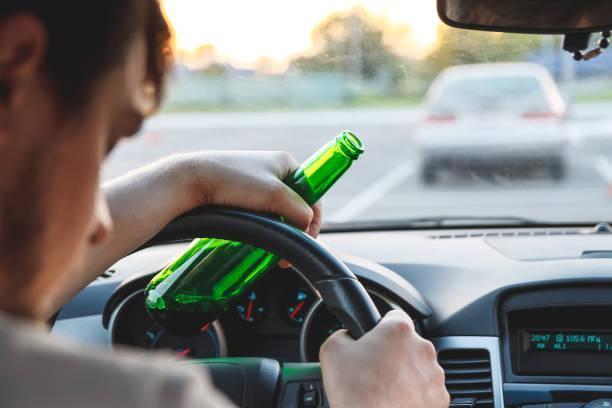
Yes. If a drunk driver crashes into your garage, you can file a civil lawsuit to recover repair costs and other losses resulting from the collision. You do not need to suffer a physical injury to pursue a property damage claim, as you may seek compensation for damage to your garage, vehicle, and other belongings.
DUI accidents can cause damage far beyond the road. A driver might smash through your garage door, damage your car, or destroy belongings you’ve stored inside. Once the immediate shock wears off, you’re left with a question of who will pay for the damage.
In this article, we will see how you can file a civil lawsuit against a drunk driver, establish fault, recover property damage costs, and understand the deadlines for filing a claim.
Civil vs. Criminal Liability for DUI
A drunk-driving crash can land the driver in court, but that doesn’t automatically pay for your damaged garage. There are two separate matters to consider: criminal charges and a civil claim.
In a criminal case, the driver could face fines, lose their license, or even go to jail. Most states make it illegal to drive under the influence of alcohol or certain drugs.
A civil claim is about your losses. If the driver has left you with a broken garage door, damaged tools, or a hefty repair bill, you can seek compensation for those costs.
And you don’t necessarily have to wait for a DUI conviction before you file a lawsuit. The criminal case may provide useful evidence, but you can pursue compensation through a civil claim even if the criminal proceedings are still ongoing.
How Is Fault Determined in Drunk Driving Crashes?
The driver may have been drunk, but you’ll still need to connect the crash to the damage they caused. Evidence serves as the foundation of any judicial process. Showing that the driver was intoxicated helps, but the details of the collision matter, too.
Start by keeping anything that could help explain what happened. For example:
- Police report: What officers recorded about the crash and the driver’s condition.
- Photos or videos: The damaged garage, the car, and where the vehicle came to a stop.
- Witness accounts: What neighbors or other people nearby saw or heard.
- Repair estimates: What a contractor found and how much the work is likely to cost.
Sometimes, the cause isn’t immediately obvious. Perhaps the driver swerved to avoid something in the road, or a mechanical problem played a part. Those details can affect who is held responsible, so the evidence needs to be considered alongside the laws in your state.
Damages You Can Recover from a Drunk Driver
You can seek compensation for the damage the driver caused. That may sound straightforward, but the costs can go beyond replacing a garage door. Once a contractor looks at the walls or checks for structural damage, the repair bill may climb.
Depending on your situation, you may be able to claim:
- Repair costs: Fixing the garage door, walls, roof, or damaged supports.
- Lost belongings: Replacing tools, bicycles, furniture, or other items ruined in the crash.
- Extra expenses: Paying for debris removal or somewhere else to stay if the damage makes your home unsafe.
Keep the receipts, take pictures, and ask contractors for written estimates. You might not know the full extent of the damage on the first day. Having a record of the costs can make a difference when dealing with the insurer.
Deadline for Filing a Lawsuit
You can’t wait forever to file a lawsuit. Each state sets its own deadline, and once that time passes, you could lose the chance to recover your losses in court.
You don’t need to wait until every repair is complete before looking into your options. If you’re unsure how much time you have, speak with a local attorney before the deadline becomes a problem.
Final Takeaways
- You can sue a drunk driver for damage to your garage.
- A civil lawsuit is separate from criminal DUI charges.
- Police reports, photographs, and witness statements can help establish fault.
- Compensation may cover repairs, damaged belongings, and other eligible expenses.
- Punitive damages may be available in some cases.
- Filing deadlines vary by state, so act before time runs out.