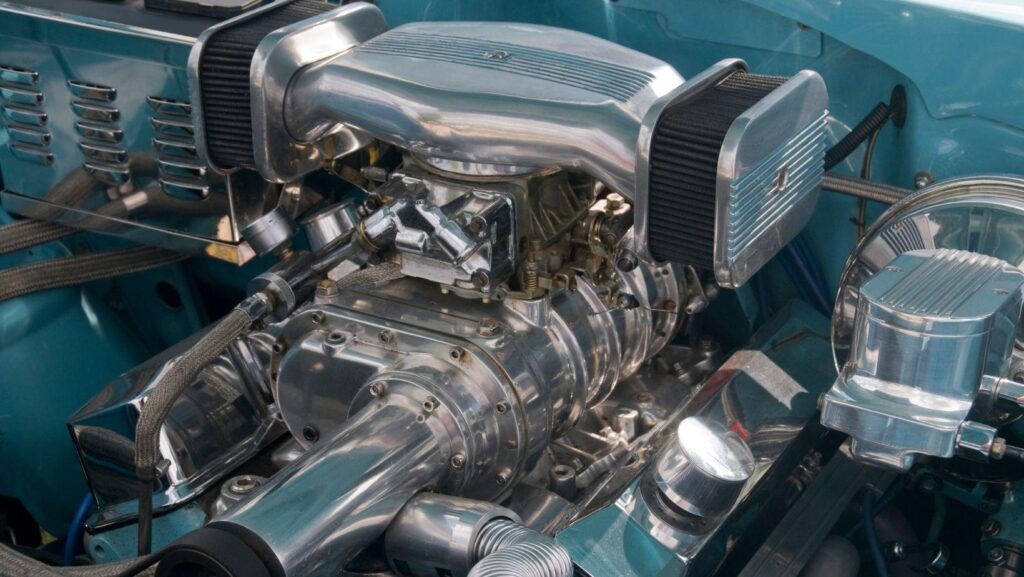
Choosing the right supercharger can make a significant difference in an engine’s performance, acceleration, and overall driving experience. For automotive enthusiasts looking to increase horsepower and improve engine response, understanding how a VT supercharger works and what to consider before purchasing one is an important first step. Whether you are upgrading a performance vehicle or exploring forced induction for the first time, selecting the right system requires careful research.
A supercharger forces additional air into an engine, allowing it to burn more fuel and produce greater power. However, not every supercharger is suitable for every vehicle. Engine compatibility, installation requirements, supporting modifications, maintenance, and budget all play a role in determining whether a particular system is the right choice.
This guide explains the key factors to consider before buying a VT supercharger, helping you make a more informed decision.
What Is a Supercharger and How Does It Work?
A supercharger is a forced-induction device designed to increase the amount of air entering an engine. Unlike a naturally aspirated engine, which relies on atmospheric pressure to draw air into its cylinders, a supercharged engine receives compressed air under pressure.
With more oxygen available during combustion, the engine can burn an appropriate amount of additional fuel and generate more power. Depending on the engine and supercharger design, this can improve acceleration, throttle response, and performance across different engine speeds.
Most mechanically driven superchargers receive power from the engine through a belt, gear, or another drive mechanism. This allows them to build boost in response to engine speed. The precise performance characteristics depend on the type of supercharger, its size, the engine configuration, and the overall tuning setup.
Before purchasing a VT supercharger, it is important to understand the intended application and confirm how the system will work with your vehicle.
Why Consider a VT Supercharger?
Drivers consider superchargers for several reasons, particularly when they want stronger acceleration without relying entirely on engine displacement or extensive internal engine modifications.
A suitable supercharger setup may offer several advantages:
- Improved horsepower: Compressed intake air can support greater power output when paired with the correct fuel delivery and tuning.
- Stronger acceleration: Increased engine output can improve acceleration, especially when the system is properly matched to the vehicle.
- Responsive power delivery: Many supercharger designs provide boost with engine speed, offering a different driving feel from some turbocharger setups.
- Performance customization: Supercharger systems can be part of a broader performance build tailored to specific driving goals.
However, actual results vary considerably. The name alone does not guarantee a particular power increase, reliability level, or compatibility. Buyers should verify the manufacturer's specifications and seek independent evidence of performance where possible.
Check Vehicle and Engine Compatibility
Compatibility should be one of your first priorities when shopping for a supercharger. Even a high-quality unit may not work properly if it is unsuitable for your engine or vehicle configuration.
Start by confirming your vehicle's make, model, year, engine displacement, and engine code. You should also determine whether the engine has factory modifications or aftermarket upgrades that could affect installation.
Next, check the mounting arrangement, belt routing, intake configuration, available space, and any required brackets or adapters. Some systems are designed for specific engines, while others require custom fabrication and additional engineering.
Ask the seller whether the VT supercharger is intended for your exact application and whether installation instructions or technical support are available. If the seller cannot provide clear compatibility information, avoid assuming that the product will fit simply because it looks similar to another unit.
Understand the Different Supercharger Designs
Superchargers use different mechanisms to compress air, and each design has its own characteristics. Understanding these differences can help you evaluate whether a particular system suits your driving needs.
Roots-Type Superchargers
Roots-type superchargers move air through rotating lobes. They are often associated with strong low-speed response and substantial torque delivery. Their performance, efficiency, and heat characteristics depend on the specific design and operating conditions.
Twin-Screw Superchargers
Twin-screw designs use intermeshing rotors to compress air internally. They can offer strong boost response and good efficiency within their intended operating range, although cost and packaging requirements vary.
Centrifugal Superchargers
Centrifugal superchargers use an impeller to accelerate air before converting that motion into pressure. Their boost generally increases with engine speed, which can suit applications that prioritize power at higher RPM.
Do not assume that every VT supercharger uses the same technology. Confirm the actual design and specifications of the model you intend to buy before comparing it with alternatives.
Evaluate Boost Pressure and Power Claims
Boost pressure is an important specification, but it should not be the only factor used to judge a supercharger. Higher boost does not automatically mean better performance or a safer engine setup.
The amount of power an engine can produce depends on several variables, including airflow, fuel quality, ignition timing, intake temperature, engine compression, and calibration. Two engines running similar boost pressure can produce different results because their configurations and tuning differ.
When reviewing a VT supercharger listing, ask for documented information about its operating range, recommended engine applications, and any verified power figures. Find out whether advertised results were measured at the engine or wheels and whether the vehicle used additional performance modifications.
Be cautious of unrealistic horsepower promises without supporting test data. A trustworthy seller should explain the conditions behind the claims rather than presenting a single number as a guaranteed result.
Consider Supporting Modifications and Engine Tuning
Installing a supercharger is rarely just a matter of fitting the unit and driving away. Additional components may be necessary to support the increased airflow and engine load.
Depending on the application, supporting upgrades may include:
- Higher-capacity fuel injectors or other fuel-system components.
- An upgraded fuel pump, where required.
- Suitable intake and charge-air temperature management.
- Stronger belts, pulleys, brackets, or drive components.
- Appropriate spark plugs and ignition-system adjustments.
- Engine management software and professional calibration.
- Improved cooling systems for demanding driving conditions.
The exact requirements depend on the engine, supercharger design, and desired power level. A qualified performance specialist should assess the complete setup before installation.
Professional tuning is particularly important because incorrect air-fuel ratios or ignition timing can increase the risk of detonation, overheating, and engine damage. Budget for the complete installation rather than spending all your money on the supercharger itself.
Assess Build Quality and Manufacturer Support
Product quality can influence performance consistency, durability, and long-term ownership costs. Before purchasing, examine the materials, finish, machining quality, bearings, seals, and drive components where those details are available.
You should also investigate the manufacturer's reputation and the availability of replacement parts. A lower-priced unit may become more expensive over time if spare components are difficult to source or technical support is unavailable.
Ask about warranty coverage, return conditions, maintenance requirements, and the availability of installation documentation. If you are buying a used unit, request clear photographs and service records, if available. Check for unusual shaft movement, damaged threads, worn drive surfaces, oil leaks where applicable, or signs of previous damage.
A careful inspection is especially important when buying from a private seller or purchasing a product without a well-established service network.
Calculate the Total Cost Before Buying
The purchase price is only one part of the overall investment. Installation, tuning, supporting modifications, routine servicing, and potential repairs can significantly increase the final cost.
Before making a decision, prepare a realistic budget that includes the supercharger, necessary hardware, professional labor, tuning, and any upgrades recommended for your engine. Also consider whether your current clutch, transmission, cooling system, and other drivetrain components can handle the expected increase in torque.
It is sensible to compare complete installation estimates rather than comparing product prices alone. A slightly more expensive system with confirmed compatibility and accessible technical support may provide better long-term value than a cheaper unit requiring extensive custom work.
Think About Reliability, Maintenance, and Daily Driving
A supercharged vehicle can be enjoyable to drive, but increased engine output may also increase mechanical stress. Reliability depends on the quality of the installation, calibration, engine condition, operating temperatures, and how the vehicle is used.
Follow the manufacturer's maintenance schedule and inspect belts, hoses, connections, and other relevant components regularly. Pay attention to unusual noises, changes in boost behavior, overheating, warning lights, or a sudden reduction in performance.
If you use your vehicle every day, consider whether the added power, servicing needs, fuel requirements, and possible reduction in reliability are acceptable. A setup designed for occasional track use may not be the best option for a daily commuter.
You should also check local vehicle regulations, emissions requirements, and insurance conditions before modifying your engine.
Questions to Ask Before Purchasing a VT Supercharger
Before completing your purchase, ask the seller a few important questions:
- Is the unit compatible with my exact engine and vehicle model?
- What are its specifications and recommended operating limits?
- What supporting modifications are required?
- Is professional installation or custom fabrication necessary?
- Is there documented performance data for a comparable setup?
- Are replacement parts, technical support, and warranty coverage available?
- What is the estimated total cost after installation and tuning?
Clear answers can help you identify unsuitable products and avoid unexpected expenses.
Final Thoughts
Buying a supercharger requires more than comparing prices or choosing the unit with the biggest performance claims. Compatibility, design, boost characteristics, supporting modifications, tuning, product quality, and long-term maintenance all deserve careful consideration.
A VT supercharger may be worth considering if its specifications match your engine and your performance goals. However, verify the exact model, request reliable technical information, and consult a qualified installer before committing to the purchase.
The best choice is one that delivers the performance you want while remaining compatible with your vehicle, manageable within your budget, and appropriate for your intended driving conditions. With proper research and a well-planned installation, you can make a more confident decision and build a performance setup that meets your expectations.